
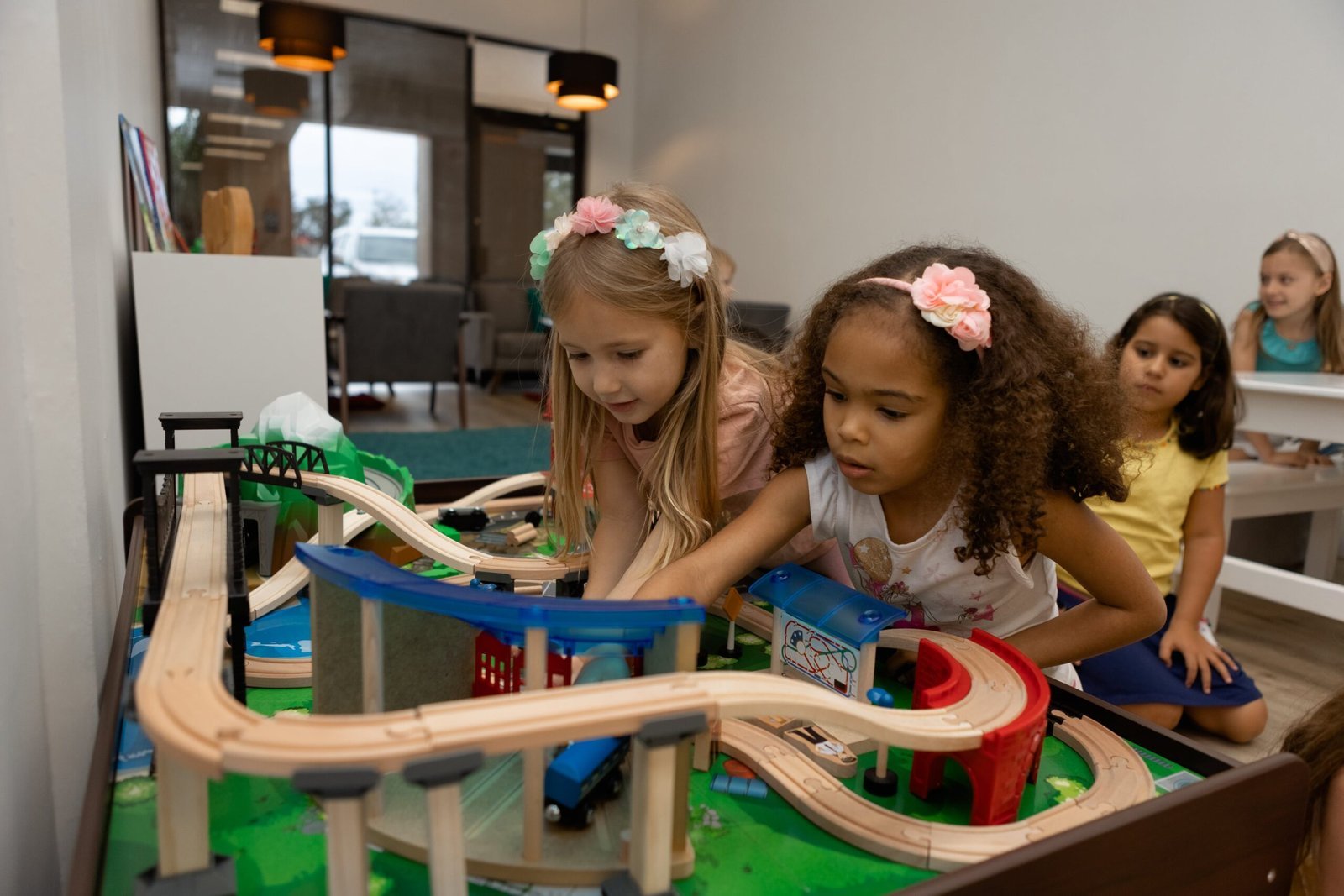
You’ve probably seen the term “open play” on a dozen different websites while searching for things to do with your kids in Fort Lauderdale. Maybe a friend mentioned it. Maybe you drove past a sign for it. But what does it actually mean — and is it worth loading everyone into the car for?
Short answer: yes. Here’s the longer one.
What Is Open Play, Exactly?
Open play is a drop-in session at an indoor playground where kids can explore freely at their own pace. There’s no set schedule, no structured activities, no instructor telling your child what to do next. You show up during posted hours, pay a flat admission fee, and your child gets to run, climb, imagine, create, and play however they want.
Think of it like a visit to the park — but indoors, climate-controlled, and designed specifically for little ones.
At most indoor playgrounds that offer open play, the space is set up with different play zones: pretend play areas, sensory stations, building zones, art corners, and more. Your child moves between them freely while you supervise (or, let’s be honest, sit down with a coffee for the first time today).
Unstructured Play vs. Structured Play: Why Both Matter
If you have ever watched your child abandon an expensive toy to play with the cardboard box it came in, you already understand the power of unstructured play. Unlike structured activities such as dance classes or soccer practice, open play lets children decide what to do, how long to do it, and who to do it with. That freedom is not a lack of purpose — it is the purpose. Research from the Harvard Center on the Developing Child shows that child-directed play builds executive function skills like planning, flexible thinking, and self-control — the same skills kids need to succeed in school and beyond.
Structured play still has its place, of course. A guided art project teaches kids to follow directions, and a music class introduces rhythm and coordination. The National Association for the Education of Young Children (NAEYC) recommends that young children experience a healthy balance of both throughout the week. Open play fills the unstructured side of that equation — giving kids space to experiment, make choices, and learn at their own speed. For Fort Lauderdale families juggling packed schedules of school, swim lessons, and weekend activities, a single open play session can be the reset button everyone needs.
At Kids Hideout, open play means your child can move freely between pretend-play stations — a mini grocery store, a salon, a doctor’s office, a construction zone, and more — choosing whatever sparks their curiosity in the moment. There is no instructor directing the room. Instead, the environment itself is the teacher, and your child’s imagination runs the show.
How Is Open Play Different from a Class or a Party?
This is where parents sometimes get confused. Here’s the simple breakdown:
- Open play = drop-in, unstructured, your child leads. No reservation needed.
- Classes (like Mommy & Me or Zumbini) = scheduled, instructor-led, focused on specific developmental skills.
- Private play = exclusive access to the entire space for your group only.
- Birthday parties = a private event with a dedicated time block, decorations, and packages.
Open play is the most flexible option. It’s perfect for those mornings when your toddler is climbing the walls at home and you need a plan B — fast.

What Ages Is Open Play For?
Most indoor playgrounds in Fort Lauderdale cater to a wide age range, but the experience can vary a lot depending on the space.
At Kids Hideout, open play is designed for children ages 1 through 8, with babies under 12 months playing for free. The entire space is built to scale for little ones — meaning a 2-year-old can reach everything, a 4-year-old can play independently, and you won’t have to worry about older kids running full speed past your crawler.
That’s actually one of the biggest differences between a boutique indoor playground and a larger family entertainment center. At places built for all ages, toddlers often end up overwhelmed. At a space built specifically for young children, they thrive.
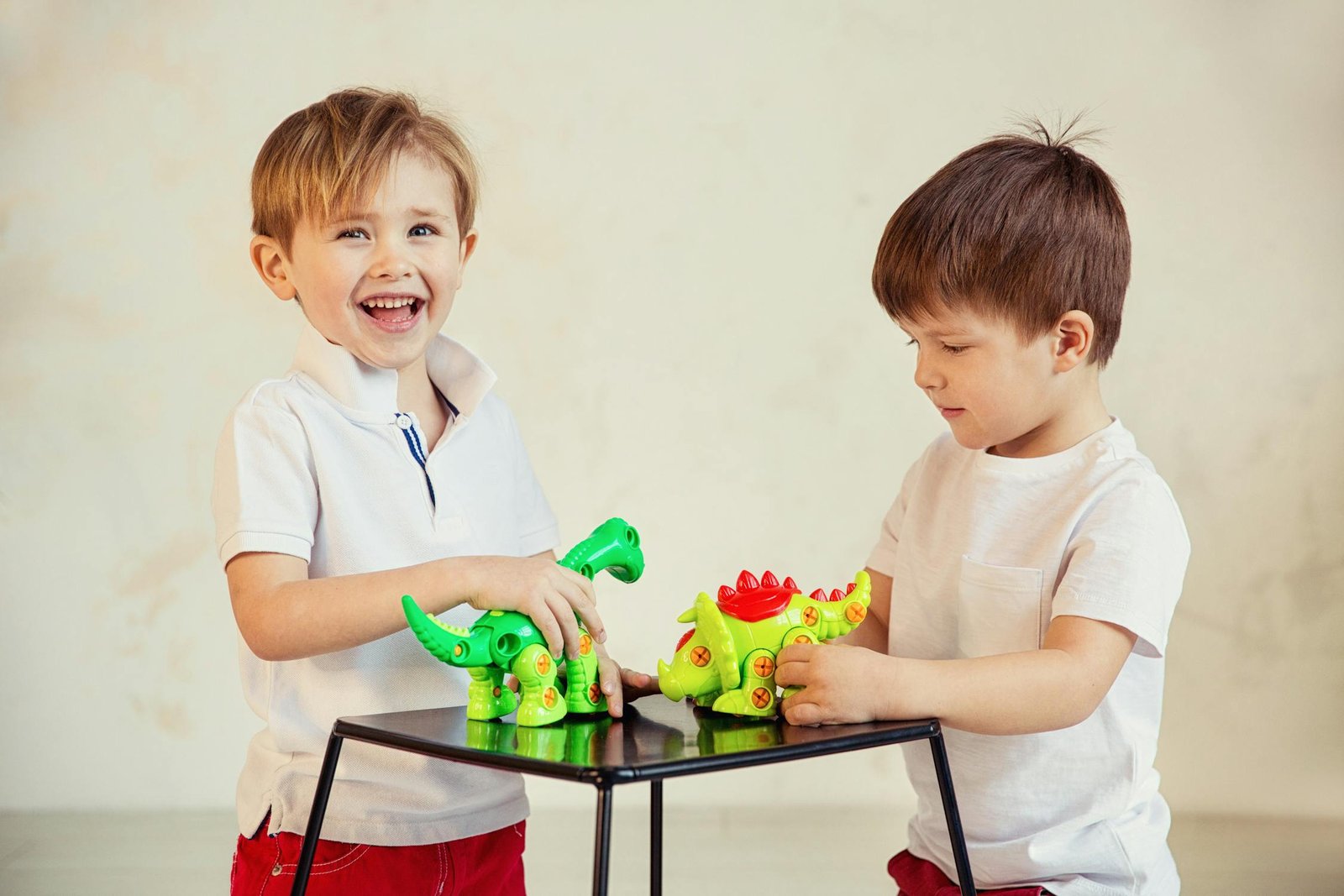
Babies (6 to 12 Months): Sensory Discovery
Even the youngest visitors benefit from an open play environment. Babies in this age range are absorbing everything — textures, sounds, colors, and the movement of other children around them. Crawling through soft play areas and touching different materials supports sensory development, which the CDC’s developmental milestones identify as foundational for motor and cognitive growth. At Kids Hideout, our space is designed so little ones can explore safely on the ground level while older siblings play nearby.
Toddlers (1 to 3 Years): Confidence and Movement
Toddlers are movers. They want to climb, carry things, open and close doors, and imitate everything they see grown-ups do. Open play is perfectly suited for this developmental stage because there are no wrong answers. A toddler can spend 20 minutes “cooking” in a pretend kitchen or shuffle between five stations in as many minutes — both are completely valid. This is also the age when parallel play begins, where children play alongside each other before they learn to play together. An indoor playground gives toddlers steady exposure to peers in a low-pressure setting, which is a huge advantage for South Florida families who may not have easy access to outdoor playgroups during our hot, rainy summers.
Preschoolers (3 to 6 Years): Imagination and Social Skills
This is where pretend play truly takes off. Preschoolers create elaborate storylines — running a restaurant, diagnosing stuffed animals at the vet, or building towers and knocking them down on purpose. During open play, they practice negotiating roles with other kids (“You be the customer, I’ll be the chef”), which builds language, empathy, and cooperation. These are exactly the social-emotional skills that prepare children for kindergarten and beyond.
School-Age Kids (6 to 8 Years): Creative Problem-Solving
Older kids still need play — even after they start elementary school. Open play offers school-age children a break from the academic structure of their day and lets them exercise creative thinking without grades or performance pressure. At Kids Hideout, we see six- and seven-year-olds mentor younger children, invent complex games, and use the play stations in surprisingly sophisticated ways. It is a healthy counterbalance to the screen time that tends to increase at this age, which is why many Fort Lauderdale parents make open play part of their screen-free parenting routine.
What Should You Expect at Your First Open Play Visit?
If you’ve never been to an open play session at an indoor playground, here’s what a typical visit looks like:
Before you arrive:
- Check the schedule online — most indoor playgrounds have specific open play hours and occasionally close for private events.
- Bring socks for everyone (most facilities require them for hygiene reasons).
- Pack a small snack and water bottle. Some playgrounds have designated eating areas but don’t allow full meals during open play.
When you get there:
- You’ll check in at the front desk and pay your admission.
- Staff will walk you through any house rules (sock policy, designated food areas, etc.).
- Then your kid is free to explore.
During the visit:
- Kids move between play zones at their own pace. Some children spend an hour in one area. Others bounce between every station in the first 10 minutes.
- Parents stay in the space to supervise. At smaller, boutique playgrounds, the layout is designed so you can see your child from almost anywhere.
- Most open play admissions are all-day passes — so if your child needs a break for lunch, you can leave and come back.
Pro tip: First-timers often visit during a weekday morning for a calmer experience. Weekends tend to be busier.
A Typical Visit to Kids Hideout, Step by Step
Knowing what to expect makes the first visit easier for both you and your child. Here is how a typical open play session works at Kids Hideout in Fort Lauderdale:
- Check in at the front desk. Give us your name and phone number. If it is your first visit, we will create a quick family profile — it takes about 30 seconds.
- Sign the waiver. A digital liability waiver is required once per family. You can sign it on-site or complete it ahead of time online to save a few minutes.
- Socks on, shoes off. Adults and children both wear socks in the play area. Grippy socks are available if you forget yours.
- Let your child lead. Once you step into the play area, your child picks where to go first. The grocery store? The construction zone? The salon? There is no schedule to follow.
- Relax or play along. Parents are welcome to sit in our comfortable seating area, connect to free Wi-Fi, or get on the floor and play alongside their kids.
- Snack break whenever you want. You are welcome to bring snacks and water bottles. We have a designated area so kids can refuel without interrupting the fun.
- Check out when you are ready. Open play sessions are timed, but you can leave earlier if your little one hits their limit. No pressure to stay the full session.
First-time visitors often tell us their kids did not want to leave. That is a good sign — it means the environment did what it was designed to do.
Why Do Parents Love Open Play?
There’s a reason open play is one of the most searched activities for kids in Broward County. Here’s what keeps families coming back:
It’s screen-free. In a world where tablets and phones are the default babysitter, open play gives kids a chance to use their imagination. Pretend play kitchens, dress-up stations, and building zones create the kind of hands-on, creative experiences that screens simply can’t replicate.
It develops real skills. Research shows that unstructured play builds social skills, emotional regulation, problem-solving, and creativity. When your toddler negotiates who gets to be the chef in the play kitchen, they’re practicing conflict resolution. When they stack blocks and watch them fall, they’re learning cause and effect. This isn’t just fun — it’s how young brains develop.
It’s flexible. No reservation. No commitment to a full semester of classes. No minimum group size. You show up when it works for you. That kind of flexibility is priceless when you’re navigating nap schedules and toddler moods.
It beats the Florida weather. Fort Lauderdale’s rainy season runs from June through October, and summer afternoons can be brutal even without rain. Open play at an indoor playground gives your kids the physical activity and stimulation they need without the sunburn, humidity, or sudden downpour.
Parents get a break too. A well-designed indoor playground lets you relax while your child plays safely. You’re still supervising, but you’re not chasing them through a parking lot or worrying about traffic. Sit down. Breathe. Watch them make a friend.
💡 Pro Tip: Many open play venues in Fort Lauderdale offer all-day passes with same-day re-entry — perfect for breaking up the day with a lunch break and coming back for more play!
A Stress-Free Outing for the Whole Family
Ask any Fort Lauderdale parent what they need more of and the answer is almost always the same: a break. Open play delivers that. While your child is safely engaged in imaginative play, you get a moment to breathe — sip your coffee, scroll your phone without guilt, or simply watch your kid be a kid. The American Academy of Pediatrics emphasizes that play is beneficial not just for children but for the parent-child bond, reducing stress on both sides of the relationship.
Connection for Caregivers, Too
One benefit of open play that does not get talked about enough is the social outlet it provides for parents and caregivers. Sitting in a shared space while your kids play naturally leads to conversations with other families. For parents who are new to the Fort Lauderdale area, stay-at-home caregivers who spend most of their day one-on-one with a toddler, or grandparents looking for a fun outing with the grandkids, open play becomes a low-key community gathering spot. Many of our regular families at Kids Hideout have formed lasting friendships that started with a simple “How old is yours?”
Parents also appreciate that open play supports the kind of development they care about most. When children engage in movement, music, and creative expression on their own terms, they build intrinsic motivation — the internal drive to learn because it feels good, not because someone told them to. That is a quality that lasts well beyond the toddler years.

How Much Does Open Play Cost in Fort Lauderdale?
Prices vary by venue, but most indoor playgrounds in the Fort Lauderdale area charge between $12 and $25 per child for an open play session. Many include admission for one or two adults in that price.
At Kids Hideout, a single visit is $17 per child and includes two adults. Babies under 12 months are free. If you plan to come regularly, multi-visit play passes bring the cost down significantly — a 10-visit pass brings each visit to $14.
Compared to other kids activities in Broward County — bounce houses, trampoline parks, museums — open play at an indoor playground is one of the best values for the amount of time and developmental benefit your child gets.
How to Find the Right Open Play Spot for Your Family
Not all indoor playgrounds are the same. Here’s what to look for when you’re choosing an open play spot in Fort Lauderdale:
- Age-appropriate design. Is the space built for your child’s age? A space designed for toddlers and young kids will feel very different from a warehouse with massive climbing structures meant for 10-year-olds.
- Cleanliness. This matters more than most parents realize. Ask how often they clean, what products they use, and whether they sanitize between sessions.
- Size and atmosphere. Bigger isn’t always better. A smaller, boutique space means less chaos, more supervision, and an experience that doesn’t overwhelm little ones.
- Supervision and layout. Can you see your child from most areas of the space? Does the layout encourage exploration without creating blind spots?
- Extras. Does the facility offer play passes for regular visitors? Do they have classes, parties, or private play options for when you want something beyond open play?
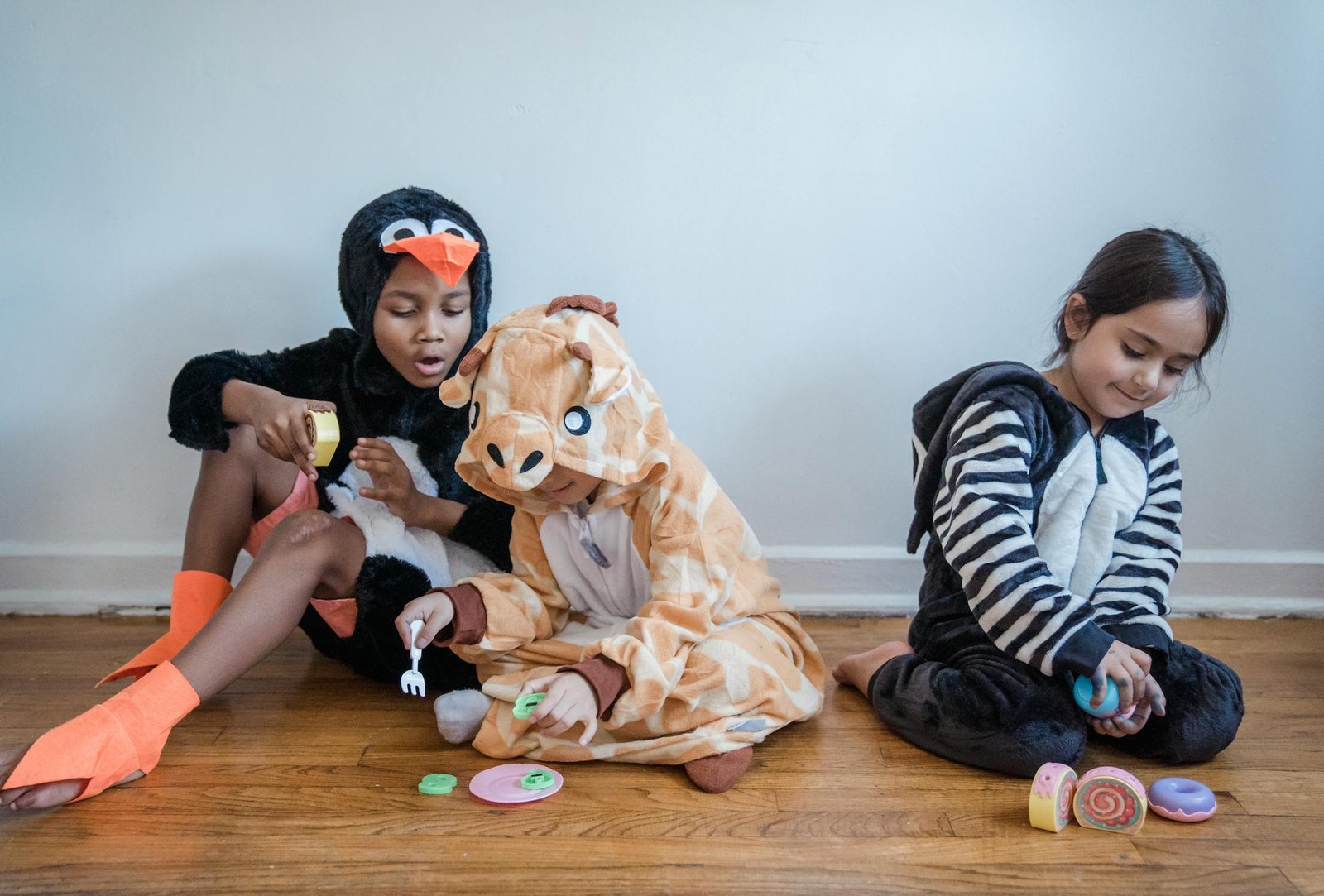
Indoor Playground Checklist: What to Look For
Not all indoor playgrounds are created equal. Before you commit to a membership or even a single visit, here are the things worth checking:
- Cleanliness protocol. Ask how often equipment and surfaces are sanitized. A well-run facility cleans between sessions and does a deep clean daily. Look for visible cleaning supplies and a posted schedule.
- Age-appropriate zones. The best playgrounds separate areas for babies and toddlers from spaces used by older, more active kids. This keeps everyone safer and lets younger children explore without being overwhelmed.
- Safety standards. Check for padded flooring, rounded edges, secured furniture, and clearly marked exits. The Zero to Three organization recommends that play environments for young children minimize hazards while maximizing exploration — that balance is what you want to see.
- Staff presence and attitude. Are staff members visible, friendly, and attentive? Do they greet families at the door? A warm, professional team makes a huge difference in the overall experience.
- Ventilation and lighting. Indoor play spaces should feel airy, not stuffy. Good lighting and air circulation matter — especially in South Florida, where families come inside specifically to escape the heat and humidity.
- Parent comfort. Seating, Wi-Fi, a place to set your bag, and a clear sightline to your child are small details that make a big difference in whether you actually enjoy the visit too.
- Transparent pricing. You should be able to find pricing easily — on the website or posted at the front desk. No hidden fees, no pressure to buy a package on the spot.
At Kids Hideout, we check every one of these boxes. But do not take our word for it — come see the space for yourself and decide if it feels right for your family.
Keep Exploring
Want to dive deeper into how play supports your child’s growth? These articles from our blog cover related topics Fort Lauderdale parents ask us about all the time:
- The Benefits of Open Play Sessions in Fort Lauderdale — A closer look at the developmental and social advantages of regular open play.
- The Benefits of Pretend Play for Early Childhood Development — Why dress-up and role-play are serious business for young brains.
- How Dance and Music Support Toddler Development — Movement and rhythm as tools for learning and coordination.
- Screen-Free Parenting and Tech-Free Spaces in Fort Lauderdale — Practical tips for reducing screen time with real-world alternatives.
Ready to Try Open Play?
If you’re a Fort Lauderdale parent looking for a screen-free, stress-free way to get your kids out of the house, open play is one of the simplest and most rewarding options available. No planning required. No sign-up sheet. Just show up, let them play, and watch them light up.
Kids Hideout is a boutique indoor playground in Fort Lauderdale designed for babies, toddlers, and kids up to 8. Open play is available daily during posted hours — no reservation needed. Check today’s schedule and get your tickets here.
Frequently Asked Questions About Open Play
What is open play at an indoor playground?
Open play is an unstructured play session where children are free to explore an indoor playground at their own pace. There is no set schedule, instructor, or curriculum. Kids move between play stations — like pretend kitchens, dress-up areas, building zones, and more — choosing whatever interests them. Parents or caregivers stay on-site the entire time.
What age is open play for?
At Kids Hideout, open play is designed for children ages 0 through 8. Babies enjoy sensory exploration, toddlers practice movement and early social skills, preschoolers engage in rich imaginative play, and school-age kids exercise creativity and problem-solving.
How much does open play cost?
Pricing varies by location. At Kids Hideout in Fort Lauderdale, current open play rates and Play Pass packages are listed on our Open Play page. We also offer sibling discounts and multi-visit passes for families who come regularly.
Do parents stay during open play?
Yes. Open play is not a drop-off program. A parent, guardian, or authorized caregiver must remain in the facility for the entire session. You are welcome to sit and relax in our parent area, use free Wi-Fi, or get on the floor and play with your child.
What should I bring to open play?
Bring socks for everyone entering the play area (grippy socks are available on-site if you forget), a water bottle, and any snacks your child might need. Everything else is provided. We recommend comfortable clothing your child can move freely in.
Is open play safe for babies and toddlers?
Yes. Kids Hideout is specifically designed for children ages 0 to 8, with padded flooring, rounded edges, and secured play furniture throughout. Our space is cleaned between sessions and deep-cleaned daily. Because the facility serves a younger age range exclusively, there is no risk of older children playing too roughly around your baby or toddler.